

What Happens During a Routine Dental Checkup in Brantford?
For many people, a dental checkup is one of those appointments they know they should book, but they are not always sure what actually happens once they sit in the chair. If your teeth feel fine, it can be easy to put it off. But routine dental visits in Brantford are not only about fixing problems. They are about catching small concerns early, keeping your teeth and gums healthy, and helping you feel confident about your smile.
At Ava Dentistry in Brantford, routine dental checkups are designed to be comfortable, informative, and focused on prevention. Whether you are coming in for your regular cleaning, bringing your child for a visit, or returning after some time away from the dentist, knowing what to expect can make the appointment feel much easier.
Why Routine Dental Checkups Matter
A routine dental checkup gives your dentist a chance to look closely at your teeth, gums, bite, and overall oral health. Even if you brush and floss every day, there are areas in the mouth that are hard to clean properly at home. Over time, plaque can harden into tartar, which cannot be removed with a regular toothbrush.
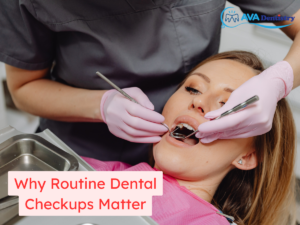
Regular dental exams and cleanings help remove unhealthy buildup, lower the risk of tooth decay and gum disease, and allow your dentist to identify issues before they become more serious. The Canadian Dental Association also notes that regular checkups help your dentist make sure there are no dental problems and reduce the risk of decay or gum disease.
For patients in Brantford, this is especially important for busy families, working professionals, seniors, and anyone who may delay dental care until discomfort appears. A small cavity, early gum inflammation, or worn filling is much easier to manage when it is found early.
Step 1: A Quick Conversation About Your Oral Health
Your appointment usually begins with a few simple questions. The dental team may ask if you have noticed any pain, sensitivity, bleeding gums, jaw discomfort, bad breath, or changes in your mouth. This is also a good time to mention anything that feels different, even if it seems minor.
For example, you may want to tell your dentist if:
- Your gums bleed when brushing or flossing
- A tooth feels sensitive to cold, heat, or sweets
- You have jaw clicking or morning headaches
- Food keeps getting stuck in one area
- You are worried about stains, bad breath, or loose teeth
- You have a dental crown, bridge, denture, or implant that feels uncomfortable
These details help your dentist understand what needs extra attention during the exam.
Step 2: Checking Your Teeth and Gums
During the dental exam, your dentist in Brantford checks each tooth carefully. They look for signs of cavities, cracks, worn enamel, damaged fillings, loose restorations, and other concerns that may not be visible to you at home.
Your gums are also checked for redness, swelling, bleeding, or signs of gum disease. Healthy gums should fit snugly around the teeth. If plaque and tartar collect near the gumline, the gums can become irritated. In some cases, gum pockets may form, which can allow bacteria to build up deeper around the teeth.
This part of the visit is important because gum disease can develop quietly. Some people do not feel pain in the early stages, but they may notice bleeding gums, bad breath, or gum tenderness. Finding these signs early gives your dental team a better chance to protect your teeth and gums before the condition progresses.
Step 3: Professional Teeth Cleaning
A professional dental cleaning in Brantford is one of the most valuable parts of a routine checkup. Even with good brushing habits, plaque can collect in tight spaces between teeth and along the gumline. Once plaque hardens into tartar, it needs to be removed with professional dental instruments.
During cleaning, the dental hygienist removes plaque and tartar from the teeth. This process is often called scaling. After that, your teeth are polished to remove surface stains and leave them feeling smooth and fresh. Routine dental cleaning in Brantford commonly includes scaling and polishing, with scaling used to remove plaque and tartar from tooth surfaces.
You may feel light pressure or vibration during cleaning, especially around areas with more buildup. If your gums are sensitive, you can let the hygienist know. The goal is to clean thoroughly while keeping you as comfortable as possible.
Step 4: Dental X-Rays, If Needed
Dental X-rays are not always taken at every visit, but your dentist may recommend them depending on your oral health, dental history, symptoms, or how long it has been since your last images.
X-rays help your dentist see areas that are not visible during a regular visual exam, such as:
- Cavities between teeth
- Bone levels around the teeth
- Impacted or developing teeth
- Infection near the roots
- Problems under old fillings or crowns
- Jawbone changes
For children, X-rays may also help monitor how adult teeth are developing. The Canadian Dental Association explains that X-rays can show decay between teeth and whether teeth are coming in as expected.
If X-rays are recommended, your dental team can explain why they are needed and what they are looking for.
Step 5: Oral Cancer Screening
A routine dental checkup is not only about teeth. Your dentist may also check the soft tissues of your mouth, including your tongue, cheeks, lips, gums, palate, and throat area. This is commonly known as an oral cancer screening.
At Ava Dentistry, oral cancer screenings in Brantford are part of routine care. The screening may include a visual check for red or white patches, sores, or unusual tissue changes. The dental team may also check the neck and throat area for lumps or swelling.
Most screenings are quick and do not require special preparation. While many mouth changes are not serious, it is always better to have unusual spots or sores checked early, especially if they do not heal.
Step 6: Reviewing Your Bite, Jaw, and Existing Dental Work
Your dentist may also check how your teeth come together when you bite. Bite issues can sometimes contribute to tooth wear, jaw discomfort, headaches, or cracked teeth.
If you have fillings, crowns, bridges, dentures, implants, or other dental work, your dentist will check that they are still fitting and functioning properly. This is especially helpful because dental restorations can wear down over time. A small adjustment or early repair may prevent bigger problems later.
For patients with dentures, bridges, or implants, regular exams are a good opportunity to make sure everything is stable and comfortable. The Canadian Dental Association also notes that dental exams are a good time to ask your dentist to check dental appliances or restorations.
Step 7: Personalized Advice for Home Care
Once the exam and cleaning are complete, your dentist or hygienist may give you practical advice based on what they noticed during your visit.
This may include tips on:
- Brushing technique
- Flossing around tight contacts
- Cleaning around crowns, bridges, or implants
- Choosing the right toothbrush
- Managing sensitive teeth
- Reducing plaque buildup
- Improving gum health
- Limiting sugary snacks and drinks
This advice is not meant to make you feel judged. It is meant to help you take better care of your teeth between visits. Small changes at home can make a big difference over time.
How Long Does a Routine Dental Checkup Take?
The length of a dental checkup can vary depending on your needs. A routine exam and cleaning may take less time for someone who visits regularly and has minimal buildup. It may take longer if you need X-rays, have sensitive gums, have not had a cleaning in a while, or need to discuss a specific concern.
If you are booking with Ava Dentistry in Brantford and have a busy schedule, it is a good idea to ask how much time to set aside for your appointment. Their team can guide you based on the type of visit you need.
Does a Dental Checkup Hurt?
For most patients, a routine dental checkup is not painful. You may feel pressure during cleaning, especially if tartar has built up around the gumline. If your gums are inflamed, they may feel tender or bleed slightly during cleaning.
If you have dental anxiety, sensitive teeth, or have had an uncomfortable experience in the past, tell the dental team before your appointment begins. A good dental visit should feel calm, respectful, and paced in a way that helps you feel comfortable.
How Often Should You Book a Dental Checkup?
Many patients visit the dentist every six months, but the right schedule can vary. Some people may need more frequent cleanings if they have gum disease, heavy tartar buildup, dry mouth, diabetes, braces, dental implants, or a history of frequent cavities.
The Canadian Dental Association recommends having dental exams as often as your dentist advises, based on your individual needs and risk of oral disease.
Your dentist can recommend a schedule that fits your oral health instead of using a one-size-fits-all approach.
Final Thoughts
A routine dental checkup is more than a quick look at your teeth. It includes a careful exam, professional cleaning, gum health check, oral cancer screening, and personalized guidance for your home care routine. It can help prevent small concerns from turning into bigger dental problems and give you a clearer picture of your overall oral health.
If you are looking for a dental checkup in Brantford, Ava Dentistry provides preventive dental care in a friendly and comfortable setting. Booking regular visits can help you maintain a healthier smile and feel more confident about your dental health. Book Now.