
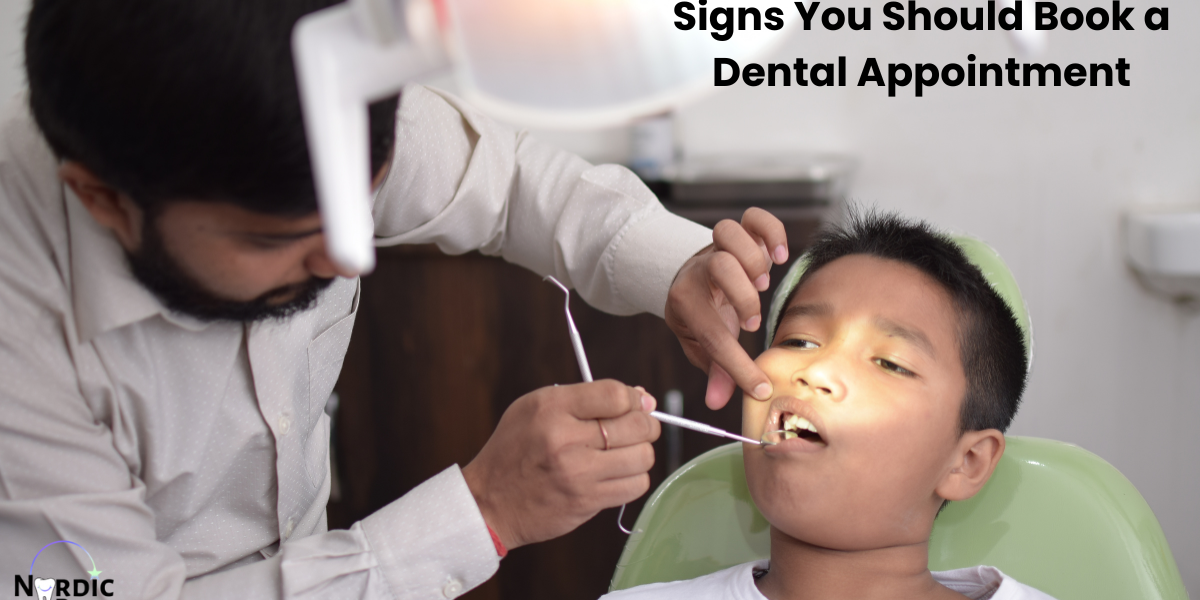
Signs You Should Book a Dental Appointment Soon
Most people do not think about calling the dentist until something starts hurting. But dental problems often begin quietly. A small cavity, mild gum irritation, or a cracked filling may not seem serious at first, yet these issues can become more painful and expensive to treat when ignored for too long.
For many patients in Brantford, busy schedules, work, family responsibilities, or dental anxiety can make it easy to postpone an appointment. The problem is that waiting for symptoms to become severe usually means the issue has already progressed.
At our dental services in Brantford, patients are encouraged to pay attention to early warning signs before they turn into dental emergencies. If you have noticed any of the symptoms below, it may be time to schedule a dental visit sooner rather than later.
Common Warning Signs You Should Not Ignore
Some dental problems develop gradually and may not cause severe pain right away. However, your mouth often gives early warning signs when something is not right. Below are some common warning signs that may indicate it is time to schedule a dental appointment. Even minor symptoms can sometimes point to underlying dental problems that should be checked before they become more serious.
1. Persistent Tooth Pain Is Never Normal
One of the clearest signs you should book an emergency dental appointment for ongoing tooth pain. Some people describe it as a dull ache, while others feel sharp discomfort when eating or drinking. Pain may come and go in the beginning, which often causes people to ignore it.
Tooth pain can happen for many reasons, including:
- Tooth decay
- Infection
- Cracked teeth
- Worn fillings
- Gum disease
- Teeth grinding
- Exposed tooth roots
Even mild discomfort deserves attention. According to the Canadian Dental Association, tooth pain can indicate underlying dental disease and should be examined by a dentist. (cda-adc.ca)
If the pain becomes severe, spreads to the jaw, or causes swelling, it may require urgent treatment.
2. Your Gums Bleed When You Brush or Floss
Many people assume bleeding gums are normal, especially during flossing. In reality, healthy gums should not bleed regularly.
Bleeding gums are often one of the earliest signs of gum disease. You may also notice:
- Redness around the gumline
- Puffy or swollen gums
- Tenderness
- Bad breath
- Gum recession
Gingivitis, the early stage of gum disease, can usually be managed before it progresses further. If left untreated, however, gum disease can eventually affect the bone supporting your teeth.
The Canadian Dental Association explains that plaque buildup along the gumline is a major cause of gingivitis and periodontal disease. (cda-adc.ca)
If your gums bleed frequently, it is a good idea to schedule a dental exam and cleaning.
3. Sensitivity That Keeps Getting Worse
Occasional sensitivity to ice cream or hot coffee may not seem alarming, but increasing sensitivity can point to a dental issue developing beneath the surface.
You may notice discomfort when:
- Drinking hot beverages
- Eating cold foods
- Breathing in cold air
- Eating sweets
- Brushing certain teeth
Sensitivity can happen because of worn enamel, cavities, gum recession, cracked teeth, or grinding. In some cases, sensitivity may indicate the early stages of an infection.
If the discomfort is becoming more noticeable or lasting longer than before, it is worth getting checked.
4. You Have Persistent Bad Breath
Bad breath happens occasionally to everyone, especially after certain foods. But if it continues even after brushing and flossing, it may be linked to an oral health problem.
Chronic bad breath can be caused by:
- Gum disease
- Tooth decay
- Infection
- Dry mouth
- Food trapped between teeth
- Poor oral hygiene
- Bacteria buildup on the tongue
Sometimes patients become so used to the smell that they no longer notice it themselves. A dental checkup can help identify the source and determine whether treatment or improved home care is needed.
5. You Notice Swelling in Your Mouth or Face
Swelling should never be ignored. Swollen gums, cheeks, or jaw areas may indicate infection or inflammation that requires prompt treatment.
Dental infections can spread if left untreated, and swelling is often a sign that the body is reacting to bacteria or injury. You may also experience:
- Throbbing pain
- Fever
- Difficulty chewing
- A bad taste in the mouth
- Pressure around the tooth
If facial swelling appears suddenly or becomes severe, you should contact a dental office as soon as possible.
6. A Tooth Feels Loose
Adult teeth should not feel loose. If you notice movement when biting, chewing, or touching a tooth, it could be related to gum disease, bone loss, injury, or infection.
Sometimes looseness develops gradually, especially with advanced periodontal disease. In other cases, it may happen after trauma or heavy grinding.
The earlier the issue is examined, the better the chances of protecting the tooth and surrounding bone.
7. You Have a Chipped, Cracked, or Broken Tooth
Not all cracked teeth cause immediate pain. Some are easy to miss until sensitivity or discomfort develops later.
Even small chips can create weak areas that allow bacteria to enter the tooth. A crack may also worsen over time with chewing pressure.
You should schedule a dental appointment if you notice:
- A visible crack
- Sharp edges
- Pain when biting
- Sensitivity after biting pressure
- A missing piece of tooth
Early treatment may prevent the need for more extensive dental work later.
8. Your Filling, Crown, or Bridge Feels Different
Dental restorations are strong, but they do not last forever. Fillings can loosen, crowns can crack, and bridges can wear down over time.
Signs something may need attention include:
- A rough or sharp edge
- Sensitivity near the restoration
- Movement when chewing
- Food getting trapped
- Pain around the area
Ignoring damaged dental work can allow decay or infection to develop underneath.
Dental Care for Patients in Brantford
For families and individuals in Brantford, staying proactive with dental care can help protect both oral health and overall comfort. Whether you are experiencing tooth pain, gum problems, sensitivity, or simply have not had a checkup in a while, scheduling an appointment sooner can make a significant difference.
Ava Dentistry is located at 265 King George Rd Suite 105 in Brantford and provides preventive, restorative, and emergency dental care for local patients.
Final Thoughts
Your mouth often gives warning signs when something is wrong. Persistent pain, bleeding gums, swelling, sensitivity, bad breath, loose teeth, or damaged dental work are all signs that should not be ignored.
Booking a dental appointment early can help prevent small issues from becoming larger problems and may save you from discomfort down the road.
If you are noticing changes in your oral health, scheduling a dental visit at Ava Dentistry in Brantford can help you get answers, treatment, and peace of mind before the issue worsens.